
|
|
|
|
|
|
|---|---|---|---|---|---|
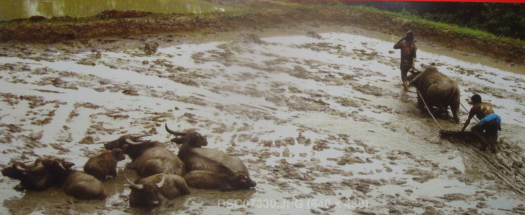
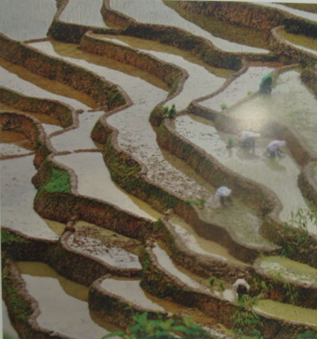
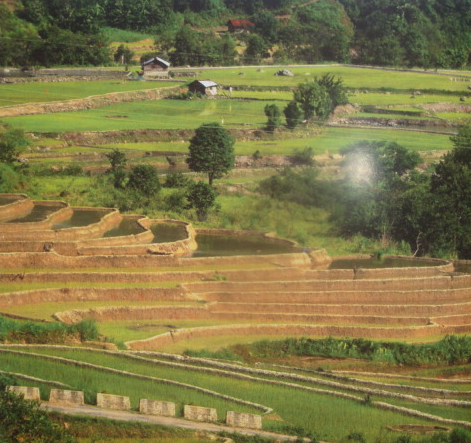
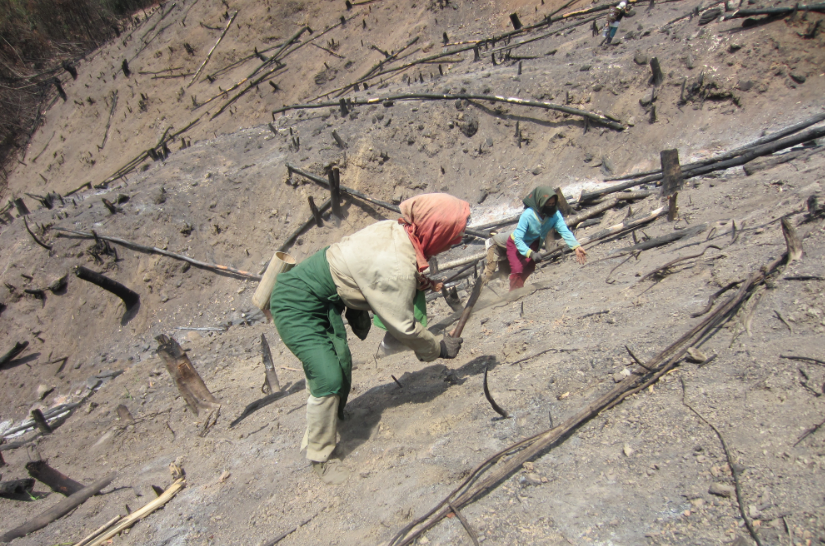
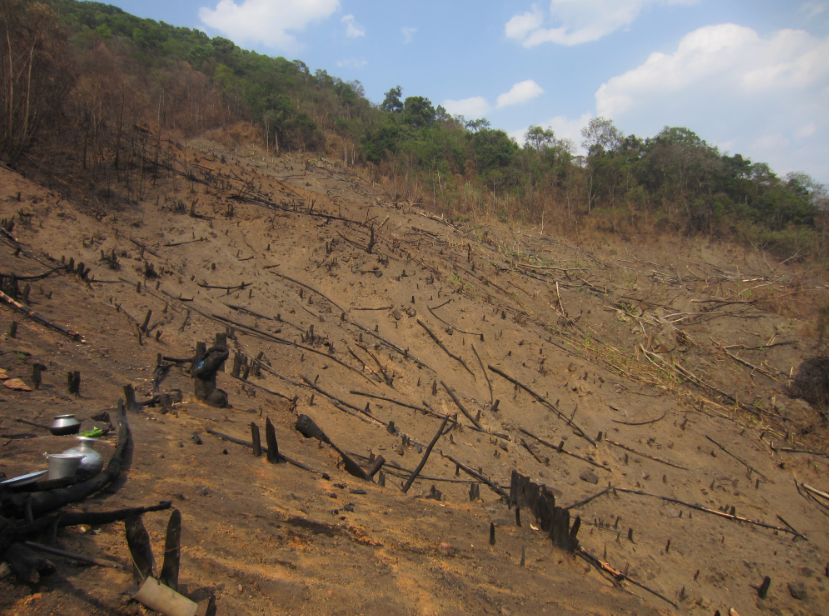
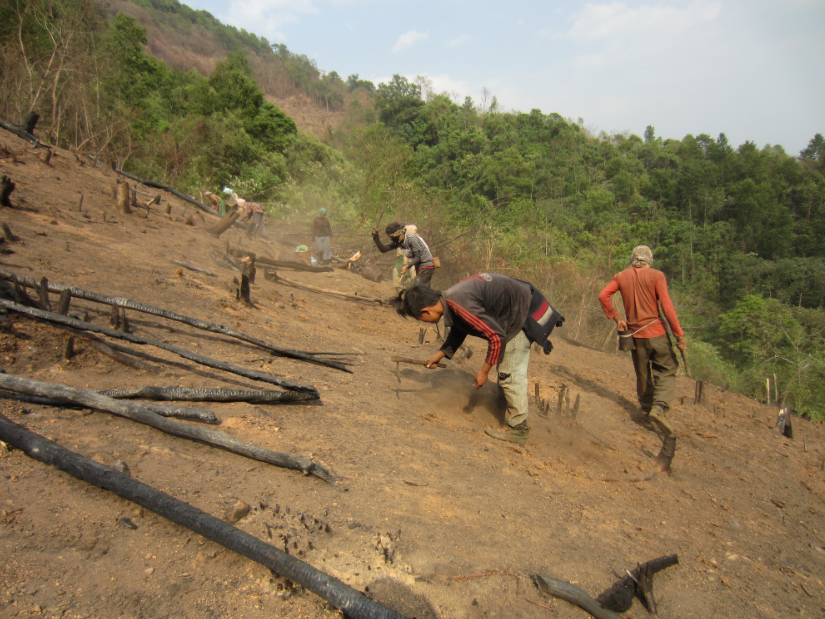
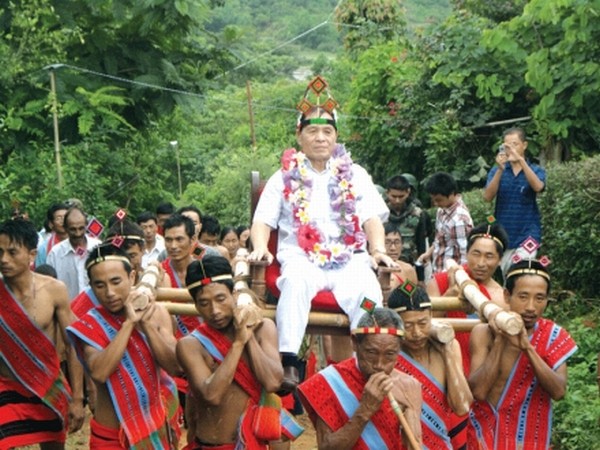
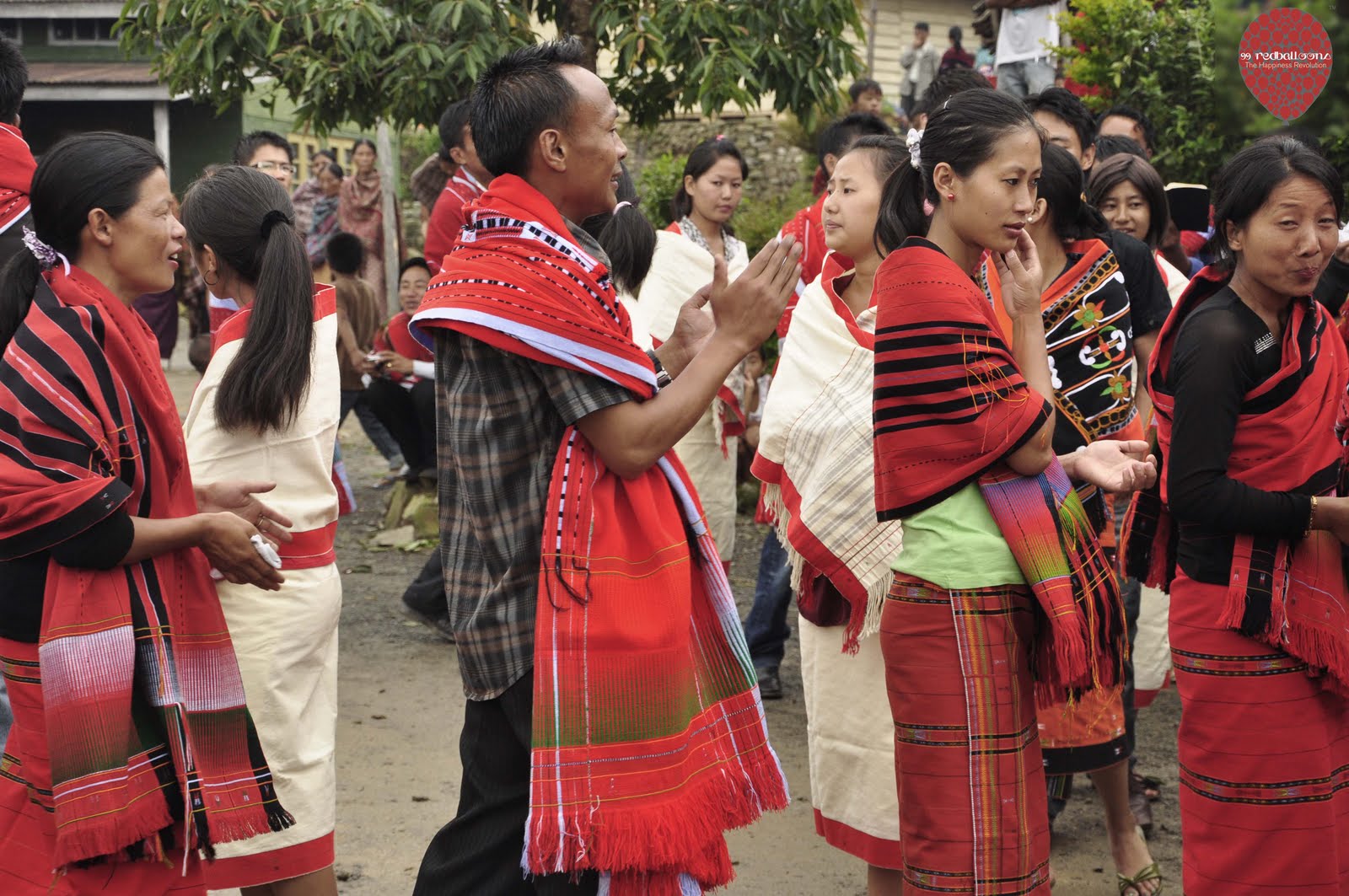
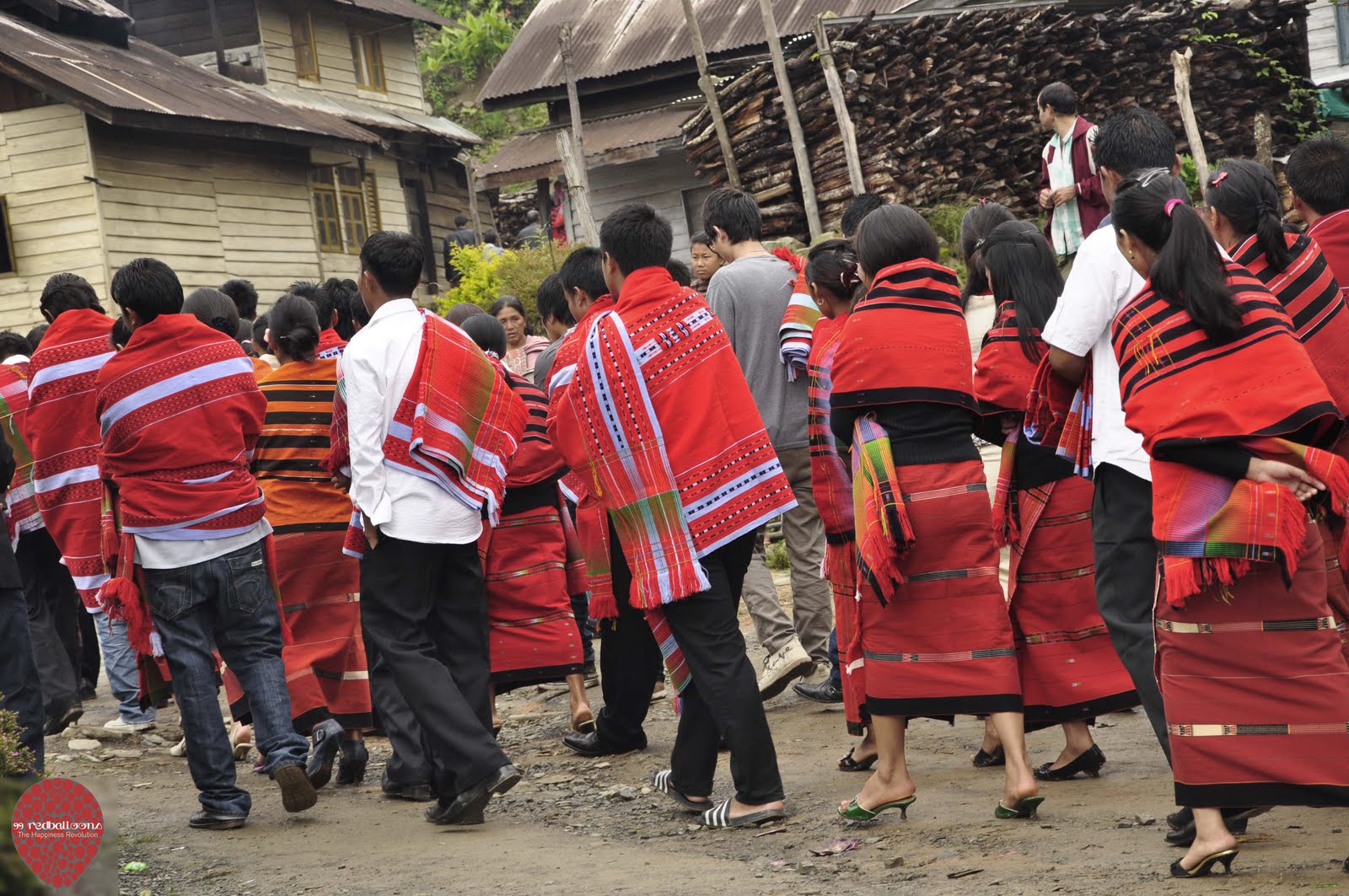
Occasion, season and Duration Festival>Mangkhap>Occasion, season and Duration The Tangkhul ancestors were agriculturists and the yearly cycle of festivals are associated with the year-round seasonal agricultural activities. Tangkhul are primarily engaged in agricultural activities. Rice is the stable food. The northern and western part of tangkhul, including Somra practice terrace cultivation. Southern part of Tangkhul practice shifting jhum cultivation. Far left: Man ploughing the field with buffalo. Buffalo used to be a Tangkhul farmer’s best friend. They are the only animal who can pull up a loaded cart from the fields to the homes at the hill top. (Photo: Mayaso Shongzan) Mangkhap festival, ‘stop drinking’ or ‘no more feasting’ is a Post-trans-plantation festival signifies the end of paddy transplantation. “Mangkhap” festival is celebrated during the month of Marang (July). Before the festival begins, it is the duty of the whole community to help widows or any household who are late in finishing transplantation due to lack of manpower, resources and ensure everyone celebrated the festivals with equal hope and anticipation of good and timely harvest.
|
|---|